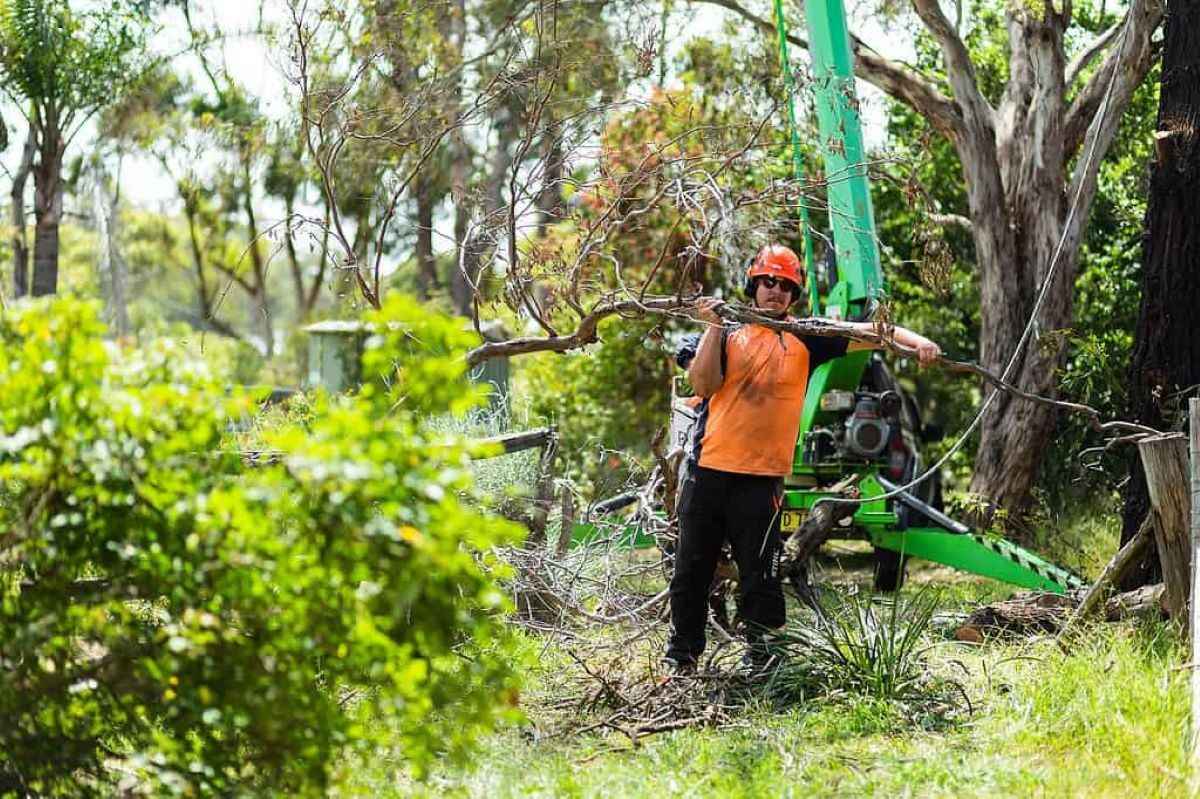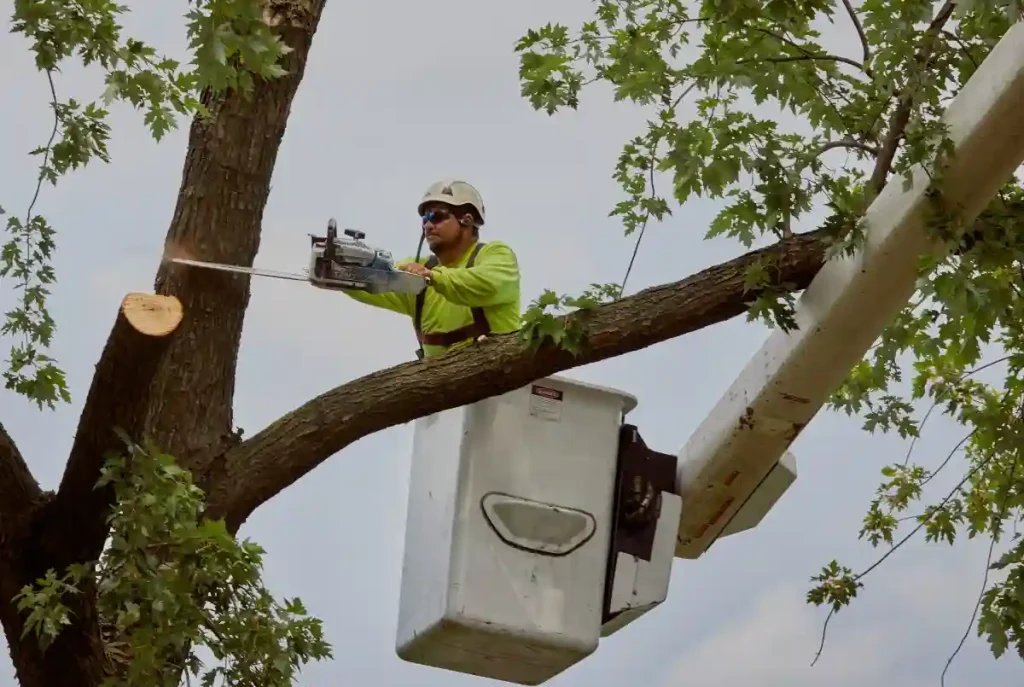
This guide shows how they can compare quotes, check credentials, and choose a service that protects their property, their neighbours, and the tree where possible.
What does “tree lopping” usually include, and what might it exclude?
Most providers use “lopping” loosely to mean cutting back branches, reducing height, or removing sections of a tree. A quote may exclude stump grinding, green waste removal, traffic control, or repairs to damaged fences and garden beds. For professional tree removal services in Australia, visit https://treesdownunder.com.au/tree-removal/.
They should ask for the scope in writing: exactly what will be cut, what will remain, and what happens to the debris.
How can they get quotes that are actually comparable?
They should request at least three written quotes that all respond to the same brief. The simplest approach is to send the same photos, measurements (if known), access notes, and a clear outcome such as “reduce overhang from roof” or “remove tree to ground level.”
They should also ask each provider to specify: crew size, equipment, time on site, and whether the quote is fixed-price or an estimate.
What line items should a good tree lopping quote include?
A solid quote usually lists the work method and the inclusions, not just a single number. At minimum, they should look for: the type of pruning or removal, disposal details, site protection, and whether stump removal is included.
If the tree is near power lines, buildings, or tight access points, the quote should also mention rigging or elevated work platform use, not vague phrases like “as required.”
How do they spot hidden costs before accepting a quote?
Hidden costs often show up as “additional charges” for waste volume, difficult access, after-hours work, or parking permits. They should ask what conditions trigger extra fees and request example scenarios.
They should also confirm whether the quote includes GST (where applicable), tip fees, and full cleanup, including raking, blowing, and removal of sawdust and small debris.
What credentials and insurance should they check?
They should confirm the business holds appropriate arborist qualifications or uses qualified staff, especially for high-risk removals. Insurance matters more than most people realise, so they should ask for proof of current public liability insurance and workers compensation (or local equivalent).
If the provider hesitates, provides expired documents, or cannot name their insurer, they should treat it as a major red flag. Read more about types of business insurance.
How can they evaluate safety and risk management from a simple site visit?
A professional typically asks about access, underground services, neighbour boundaries, pets, and fragile structures like pergolas and gutters. They should also explain how branches will be lowered, how the drop zone will be controlled, and what happens if weather changes.
If someone dismisses risks with “it’ll be fine” and avoids details, they may be cutting corners in ways that become expensive later.
Should they choose the cheapest quote, or the clearest one?
They should usually choose the clearest quote, not the cheapest. The best value often comes from a provider who includes rigging, cleanup, and disposal upfront, because those are the areas where surprises add cost.
A very low price can signal rushed work, poor cleanup, no insurance, or aggressive cutting that harms the tree and creates future hazards.
How can they compare pruning quality, not just price?
They should ask what pruning standard or approach the provider follows and how they avoid weak regrowth and unbalanced canopies. A careful service typically discusses target limbs, final shape, and long-term health, rather than “taking a metre off everything.”
They can also ask to see before-and-after photos of similar trees, ideally from local jobs with similar access and size.
What questions should they ask about council rules and neighbour issues?
They should ask whether permits are required in their area and who handles them. If the tree is protected, near a boundary, or likely to affect neighbours, they should confirm how the provider manages permissions and communication.
They should also ask who is responsible if a neighbour disputes the work or if branches cross the boundary, because this can delay jobs and increase costs.
What does “full cleanup” actually mean?
“Cleanup” can mean anything from stacking logs to leaving the site ready to mow. They should clarify whether the service removes all green waste, cuts timber into manageable lengths, and leaves paths and driveways free of debris.
If they want firewood lengths, mulch, or logs retained, they should request it in writing, including where it will be placed.
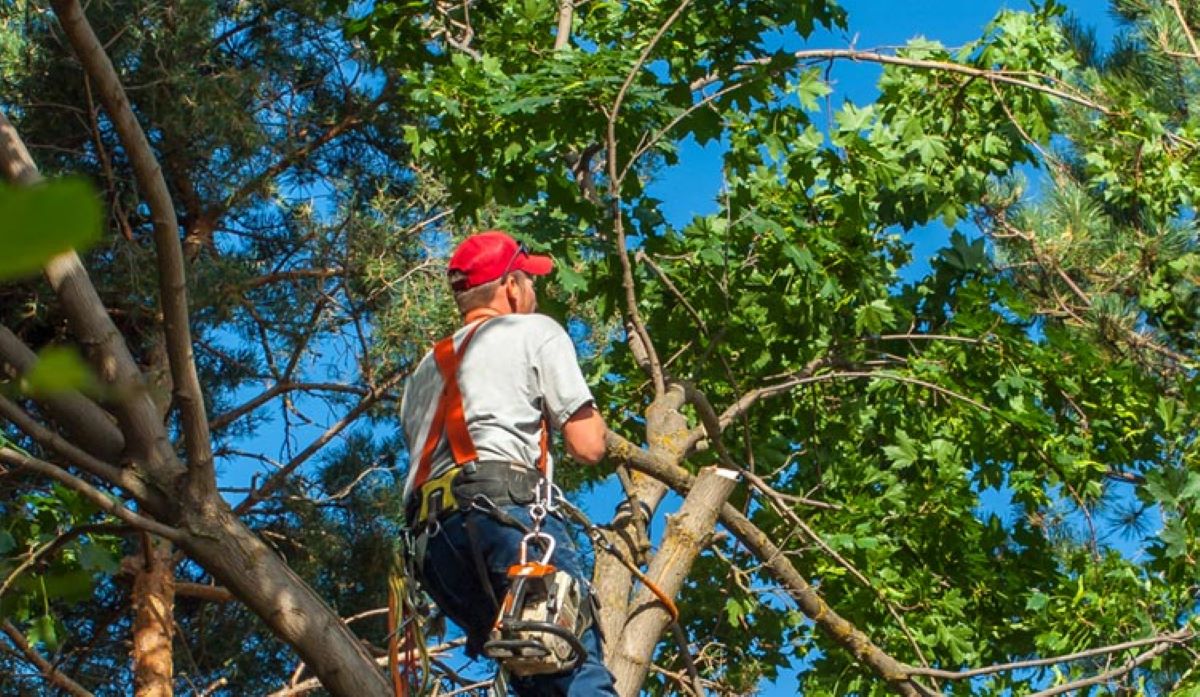
How can they judge reliability before booking?
They should look for clear communication, punctual quoting, written scope, and a realistic schedule. Reviews help, but they should focus on patterns: repeated mentions of cleanliness, safety, and professionalism are more meaningful than generic praise.
They should also confirm the booking terms, including weather postponements, start times, and whether there are cancellation fees.
What is a simple checklist they can use to decide?
They can make the decision easier by choosing the provider who answers these points clearly in writing:
- Exact scope: what is being cut or removed
- Fixed price vs estimate, and what triggers extra charges
- Proof of insurance and qualifications
- Disposal and cleanup details
- Method for high-risk areas (rigging, platforms, traffic control)
- Permit guidance where relevant
- Timeline and booking terms
When they treat quotes like scopes of work, not just numbers, they usually end up with safer work, fewer surprises, and a result that looks better for longer.
More to Read : Arborist Sydney: How They Assess Tree Health And Risk