Because Sydney trees face heat, storms, pests, construction pressure, and tight urban spaces, a good assessment is methodical. They observe the whole site, then narrow down to the trunk, crown, and roots to understand what is happening and what should be done next.
What are they trying to find out in a tree health and risk assessment?
Arborist Sydney specialists are trying to answer three practical questions: is the tree healthy, is it structurally stable, and what targets could it hit if it fails. “Targets” usually means homes, cars, footpaths, play areas, powerlines, or neighbouring trees.
They also look for the cause of any decline, not just the symptoms. That matters because the right fix depends on whether the issue is drought stress, root damage, disease, or poor past pruning, which is why experienced companies like Trees Down Under, a Sydney’s premier tree removal company, focus on detailed assessments before recommending treatment or removal.
How do they start assessing a tree on site?
They typically begin with a broad visual scan from a distance. This helps them see the overall shape, lean, crown density, and how the tree sits in the landscape.
They also check the site context: soil conditions, drainage, recent earthworks, nearby excavations, and signs of changed water patterns. In Sydney, even small changes like new paving or trenching can affect roots and stability quickly.
What crown signs tell them a tree is stressed or declining?
They look at foliage density, leaf size, and colour compared to what is normal for that species and season. A thinning crown, small leaves, or dead tips can indicate stress, root problems, or disease.
They also assess deadwood levels, unusual epicormic growth (shoots from the trunk or main branches), and dieback patterns. Patchy dieback can suggest root zone issues, while a sudden, uniform decline can point to severe root disturbance or water stress.
How do they check the trunk and bark for structural problems?
They inspect the trunk for cracks, splits, cavities, bulges, and areas of decayed or missing bark. They also look for old wound sites that never properly sealed, because decay often spreads internally from those points.
They pay close attention to fungal fruiting bodies, as these can indicate wood decay and reduced strength. They also check for poor branch attachments, especially co-dominant stems and tight unions that may be prone to splitting under wind load. Check out more about tree lopping near me and how to compare quotes and services.
What do they look for at the base and root zone?
They examine the root flare, buttress roots, and surrounding soil for lifting, sinking, or heaving. Fresh soil mounding, new gaps, or raised roots can be signs the tree has started to move.
They also check for root damage from trenching, compaction, or grade changes. In urban Sydney blocks, compacted soil and restricted root space are common, and both can lead to decline and increased failure risk during storms.
Other Resources : Management of the risk of soil erosion in forests
How do they assess pests, disease, and decay without guessing?
They use a combination of species knowledge, symptom patterns, and site history. For example, they consider whether symptoms match common local issues, whether multiple trees are affected, and whether recent weather could explain the timing.
They avoid relying on a single sign. A fungus on bark might be harmless on one species and a serious decay indicator on another. If the cause is unclear, they may recommend lab testing, additional monitoring, or a more detailed inspection method.
How do they judge the likelihood of branch or tree failure?
They consider defects and loads together. A defect like a cavity matters more if it is in a highly loaded area such as a main union, or if the crown is heavy and exposed to wind.
They also factor in past failures, canopy imbalance, and the tree’s exposure to prevailing winds. In Sydney, storm patterns and sudden wind events can turn marginal defects into real hazards, especially where trees have been over-pruned or have uneven crowns.
How do they evaluate what the tree could hit if it fails?
They identify the targets and how often they are present. A limb over a quiet garden bed is different from the same limb over a driveway used daily.
They also look at fall distance, slope, and obstacles that might change how a branch lands. This target assessment is a major part of risk, because even a tree with defects may be acceptable if there is little to hit and the area can be managed.
What tools might they use for a closer or more technical assessment?
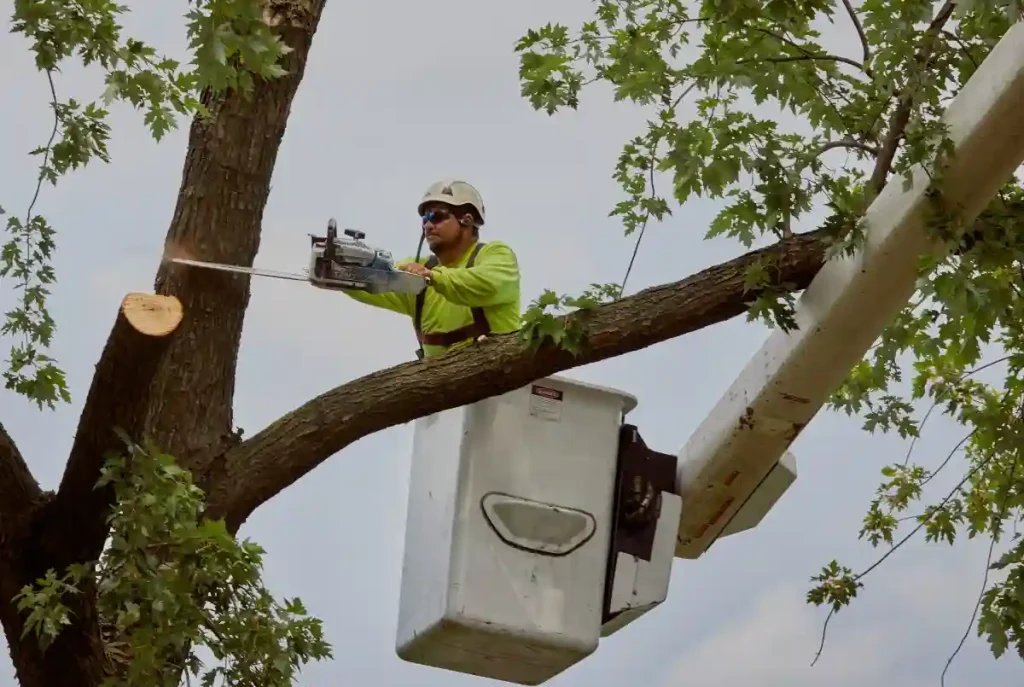
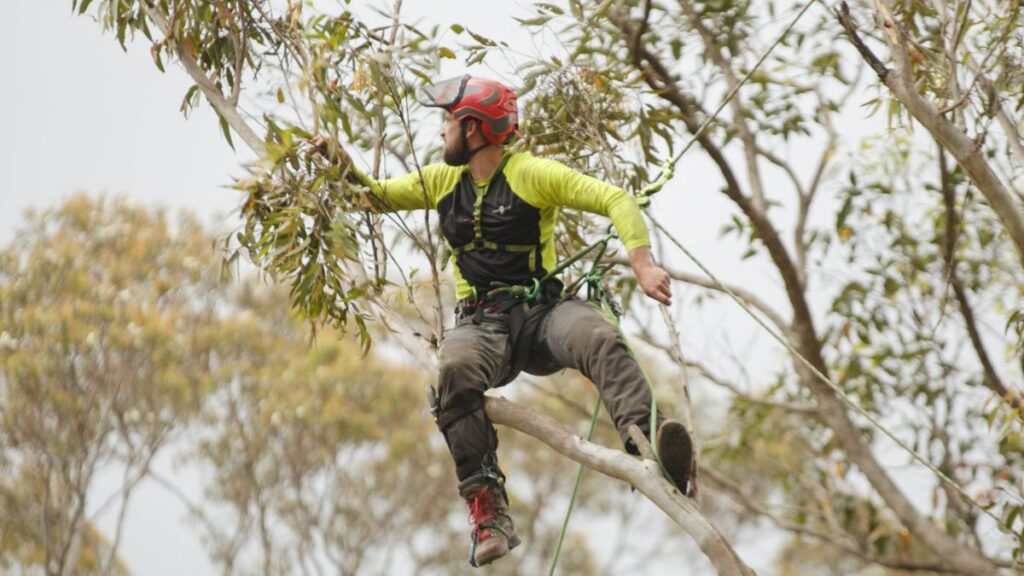
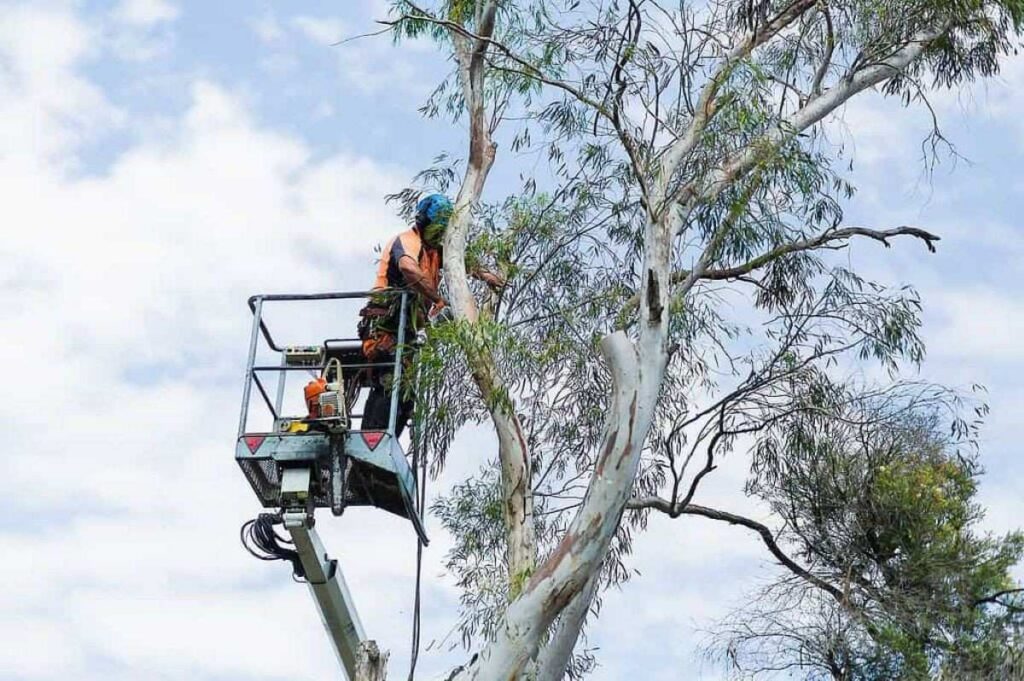
They often start with basic tools such as a mallet for sounding wood, binoculars for canopy inspection, and measuring tools for diameter and height. For higher canopies, they may use climbing inspections or elevated work platforms.
If internal decay or structural integrity is uncertain, they may use advanced methods such as resistograph drilling or sonic tomography, depending on access and budget. They only recommend these when the results will change the decision, not as a default upsell.
What outcomes do they typically recommend after the assessment?
They usually recommend one of four paths: do nothing beyond routine care, prune to reduce risk, treat or improve conditions to support recovery, or remove the tree if risk cannot be reasonably managed.
Pruning recommendations may include removing deadwood, reducing end weight on long limbs, or correcting defects caused by past cuts. If the tree is stressed, they may advise mulching, irrigation changes, soil decompaction, or root zone protection to prevent further decline.
How do they document findings and explain them to property owners?
They often provide a written summary of observed defects, health indicators, and risk factors, along with clear recommendations. If a formal report is needed for insurance, strata, or council processes, they may include photos, tree measurements, and a structured risk rationale.
Good arborists explain trade-offs in plain language. They make it clear what is urgent, what can be monitored, and what actions reduce risk without harming the tree’s long-term structure.
When should they reassess a tree rather than treat it once and move on?
They recommend reassessment when the tree is in active decline, has suspected decay, or is in a high-target area. Monitoring is also common after storms, nearby construction, or major pruning work.
Many tree issues are dynamic. A tree might stabilise after soil improvement, or it might deteriorate quickly if decay progresses. Regular reviews help ensure the risk decision stays accurate as conditions change.