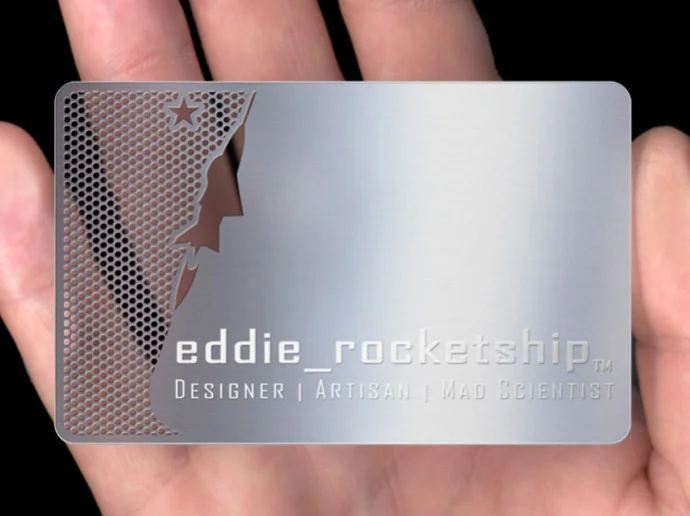
The real question is not whether metal is “better”. It is whether the card reinforces the brand’s positioning at the exact moment a prospect decides if they are credible.
Do metal business cards instantly make a brand feel more premium?
Metal Business Cards often do, because the weight, finish, and sound signal “high value” before anyone reads a word. That sensory impact is hard to replicate with paper, even with thick stock and special coatings.
For luxury services, high-ticket consulting, property, finance, automotive, architecture, and private healthcare, a metal card can align with what the buyer expects. For a casual or low-cost offer, it can feel like overcompensation.
Who benefits most from using metal business cards?
They work best for people whose sales process starts with trust and ends with a high-value decision. If they attend networking events, conferences, VIP venues, or in-person pitches, a metal card can help them be remembered.
They also suit brands that rely on craft, precision, and detail. Think bespoke design, engineering, specialist trades, or premium hospitality. If most leads come from online forms and DMs, the impact drops sharply.
Will metal cards help people remember the brand more than paper cards?
Often, yes, because novelty improves recall. Prospects are more likely to keep a metal card on a desk, in a wallet section they actually revisit, or even show it to someone else.
That said, memorability only matters if the next step is easy. If the card looks impressive but makes it hard to contact them, the advantage is wasted.
Are metal business cards practical for everyday networking?
They can be, but they come with trade-offs. Metal cards are heavier, can scratch other cards in a tight wallet, and may feel awkward to hand out in bulk.
They also change behaviour. People tend to give them selectively, which can be good for qualifying leads, but risky if they need volume. For high-frequency networking, many brands use metal for “A-list” prospects and premium paper for everyone else.
What design choices make metal business cards look premium rather than gimmicky?
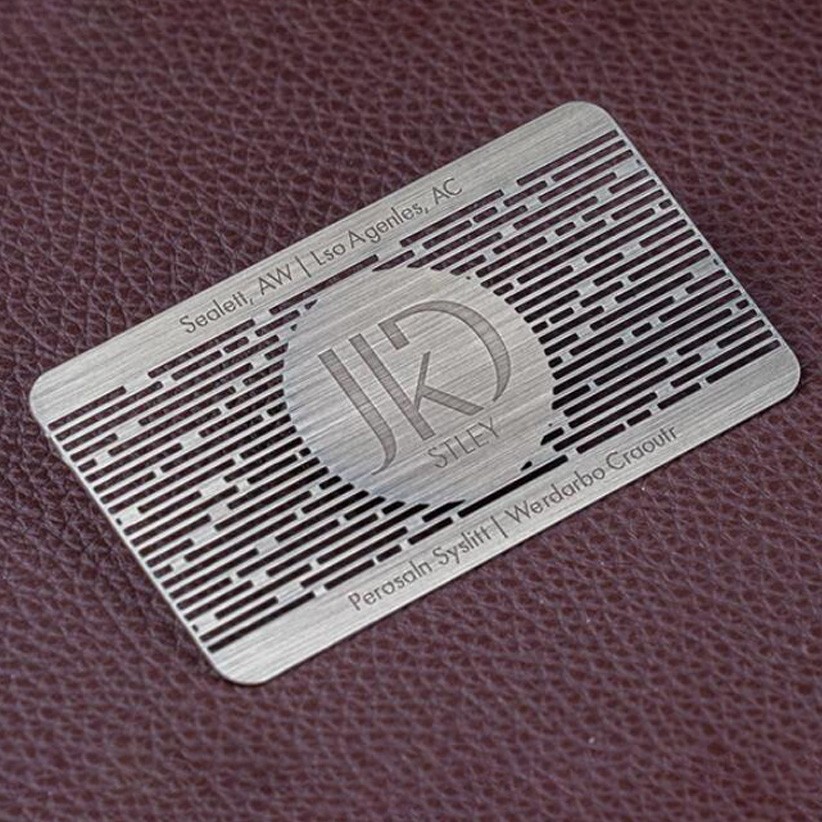
Simple layouts usually win. Clean typography, generous spacing, and one strong detail such as a cut-out, spot colour fill, or etched logo tend to look intentional.
Finish matters more than features. Brushed metal, matte black, or subtle gold can feel elegant, while overly shiny surfaces can read as novelty. If a brand uses QR codes, they should place them discreetly and keep the rest of the card uncluttered.
Should they add QR codes, NFC, or both?
A QR code is usually the safest option because it works on any phone without explanation. NFC can feel impressive, but only when it is effortless and the recipient knows what to do.
If they use NFC, they should still include a visible fallback: a short URL, email, or QR. The goal is frictionless follow-up, not a tech demo.
Do metal business cards improve conversions or just impressions?
They mainly improve impressions, which can support conversion in relationship-driven sales. A premium card can increase the chance of a follow-up, especially when the service is expensive and trust-sensitive.
But the card does not replace a clear offer. If the messaging is vague, the pricing is misaligned, or the follow-up process is weak, metal will not fix it. Premium branding only works when the experience stays premium after the handshake.
What are the main downsides they should consider?
Cost is the obvious one, especially if they need hundreds of cards per month. Metal cards also reduce flexibility, because updating details means replacing a more expensive asset.
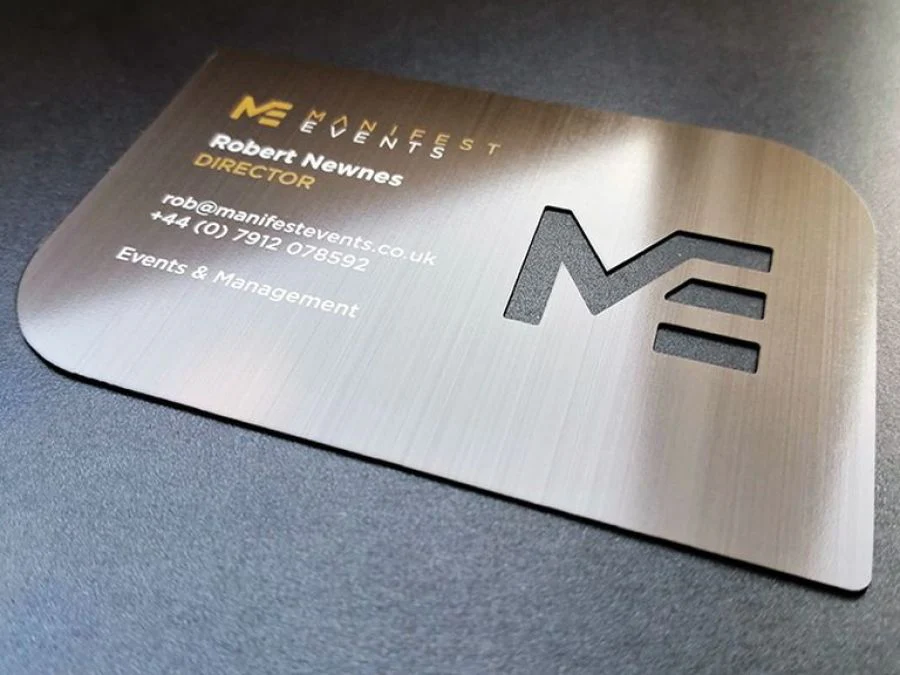
There is also a brand-fit risk. A metal card can clash with a minimalist, approachable, or sustainability-first identity. If the brand promise is “simple and affordable”, a metal card can create the wrong expectation.
Are metal business cards worth it if the brand cares about sustainability?
It depends on how they source and how they use them. Metal can be kept longer than paper, which may reduce waste from constant reprints, but it can also feel less aligned with eco-focused messaging.
If sustainability is central to the brand, they should be transparent about materials and keep quantities low. Many choose a hybrid approach: a small run of metal for key meetings and responsibly sourced paper for general use.
How can they decide if metal business cards are worth the investment?
They should treat it like a positioning tool, not stationery. If the brand sells premium outcomes, meets prospects in person, and benefits from being remembered, metal can be a smart spend.
A practical test is simple: run a small batch and track outcomes. If recipients follow up more often, keep the card longer, or mention it later, the investment is doing its job. If not, premium paper and a sharper pitch will usually outperform any material.
FAQs (Frequently Asked Questions)
Do metal business cards instantly make a brand feel more premium?
Yes, metal business cards often convey a premium feel because their weight, finish, and sound signal high value before any text is read. This sensory impact is difficult to replicate with paper, making metal cards ideal for luxury services and high-ticket industries.
Who benefits most from using metal business cards?
Metal business cards work best for professionals whose sales processes start with trust and end with high-value decisions. They are particularly effective at networking events, conferences, and VIP venues for industries like bespoke design, engineering, specialist trades, and premium hospitality.
Will metal cards help people remember the brand more than paper cards?
Often, yes. The novelty of metal improves recall as prospects are more likely to keep the card visibly on desks or in wallets and even share it with others. However, memorability only matters if the card facilitates easy follow-up communication.
Are metal business cards practical for everyday networking?
While possible, metal cards come with trade-offs such as increased weight, potential to scratch other cards, and awkwardness when handing out in bulk. Many brands reserve metal cards for select ‘A-list’ prospects and use premium paper for wider distribution. Click here to get about who should use metal business cards Australia for first impressions?
What design choices make metal business cards look premium rather than gimmicky?
Simple layouts with clean typography and generous spacing work best. Incorporating one strong detail like a cut-out or etched logo adds elegance. Finishes like brushed metal or matte black feel sophisticated, while overly shiny surfaces may seem gimmicky.
Should brands add QR codes, NFC, or both to their metal business cards?
Including a QR code is usually the safest choice as it works universally without explanation. NFC can be impressive but should be effortless to use and accompanied by a visible fallback such as a short URL or QR code to ensure frictionless follow-up.